Are you fatigued of battling with hazy vision? Whether it's the annoyance of fuzzy distances, the hassle of continually adjusting your glasses, or the challenges that come with cataracts, many people are in search of effective answers to restore clarity in their lives. Lens replacement surgery has emerged as a valuable option for those looking to escape from the constraints of conventional eyewear. With progress in technology and a multitude of options available, comprehending how this procedure can transform your vision is essential.
As we mature, our eyes can face changes that affect our ability to see clearly at different distances. Disorders like presbyopia, nearsightedness, and farsightedness are typical, and lens replacement surgery can deliver a long-lasting solution. This surgery not only addresses these issues but also gives an option for personalized vision correction tailored to your lifestyle. From varifocal IOL benefits to the advantages of custom lenses, exploring the available options can help you make informed decisions about your vision health. Join us as we explore the world of lens replacement surgery and discover how it can empower you to take control of your vision.
Grasping Refractive Lens Exchange
Refractive lens exchange, commonly referred to as lens replacement surgery, represents a procedure in which the natural lens of the eye is extracted and swapped with an IOL. This operation is very advantageous for patients suffering from blurry vision caused by factors such as cloudy lenses, significant hyperopia, or high myopia. By correcting these visual impairments, lens replacement gives a long-term remedy that can boost overall quality of life.
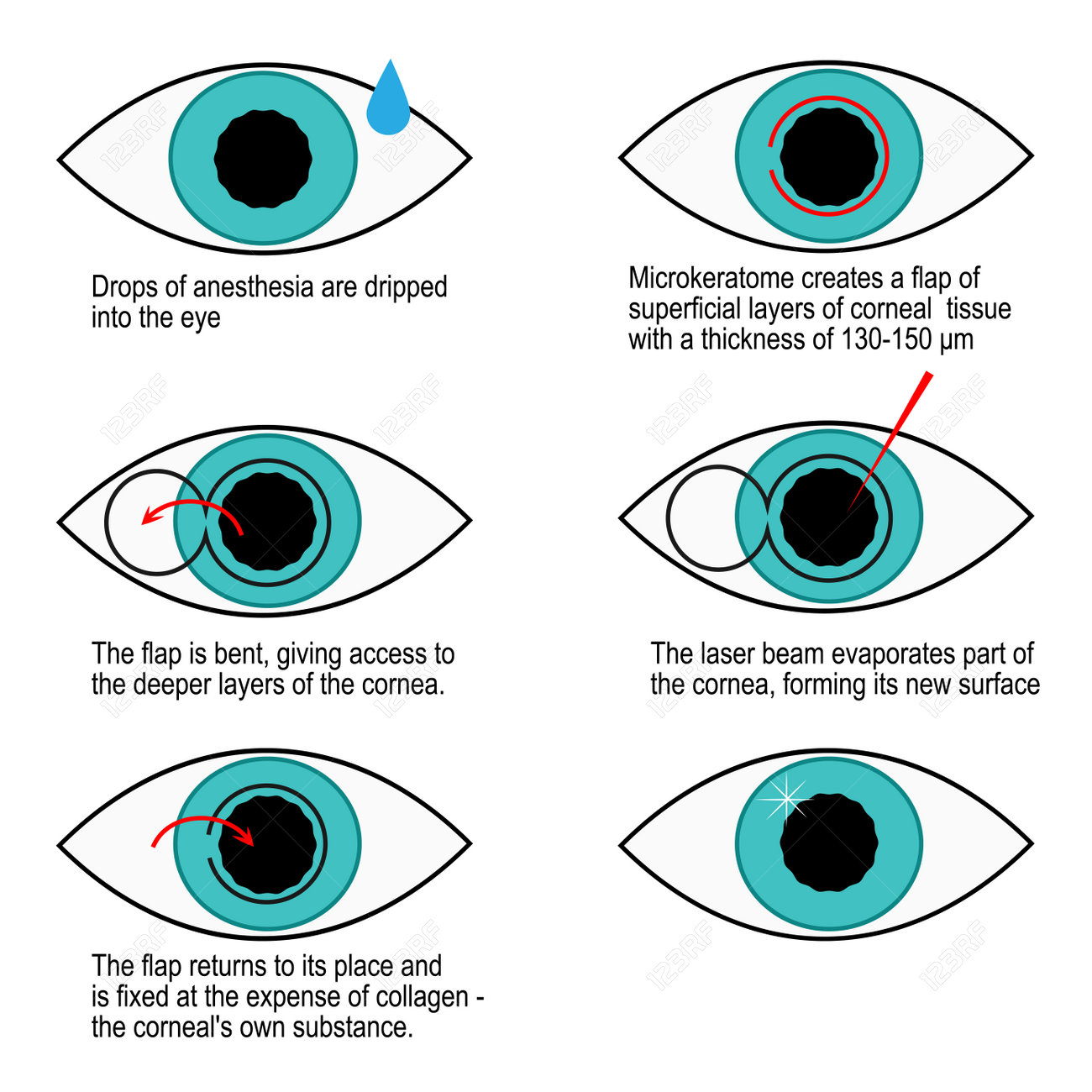
The operation is typically performed under a local anesthetic and involves performing small openings in the eye. An ultrasonic tool is frequently employed to break up the natural lens, which is then softly taken out. The synthetic lens is then placed, and numerous individuals observe significant gains in their eyesight nearly instantly surgery. Due to progress in tech, options for a range of lenses, including trifocal and light-modifiable lenses, boost tailored sight improvements, suiting the specific needs of each individual.
Recovery from lens replacement surgery is typically rapid, with the majority of patients going back to normal activities within days. However, some may experience visual disturbances such as light halos in the beginning, which usually diminish over time. Overall, lens replacement surgery represents a transformative approach for those tired of depending on glasses or contact lenses, offering a permanent and successful fix to various refractive errors.
Comparing Options for Lens Replacement
As considering lens replacement surgery, it is essential to understand the different options present. Refractive lens exchange (RLE) is often selected for those looking to correct major refractive errors like extreme nearsightedness or extreme farsightedness. RLE includes inserting a premium intraocular lens (IOL) that can offer improved vision at different distances, aiding patients minimize their dependence on glasses or contact lenses.
Tailored lens replacement is another option that tailors the procedure to the individual’s visual requirements. This can include light adjustable lenses or trifocal IOLs, which provide a wider range of vision. With developments in technology, patients can enjoy benefits including better contrast sensitivity and reduced halos and glare, which are crucial for ensuring clear vision in various lighting conditions. Personalized lens selection can greatly impact visual outcomes for an dynamic lifestyle, including sports vision optimization.
Finally, the cost factor plays a vital role in decision-making. Custom lens replacement surgery usually involves greater expenses than traditional options but may provide more long-term satisfaction and visual acuity. It is vital to evaluate the financial aspects against the advantages, considering factors such as insurance coverage, potential out-of-pocket costs, and how much benefit improved vision quality brings to everyday living.
Advantages and Factors
Surgical lens replacement offers numerous advantages that can significantly enhance a individual's quality of life. One of the main benefits is the potential for improved vision clarity, allowing individuals to see sharper without the reliance on spectacles or contacts. web page can successfully address a range of vision issues, such as nearsightedness, farsightedness, and presbyopia, providing a more permanent solution than conventional corrective lenses. Additionally, advancements in intraocular lens design, such as trifocal and lenses designed for extended depth of focus, can improve distance, intermediate, and near vision, making everyday activities more pleasurable.
On the other hand, undergoing lens replacement surgery also involves careful considerations. Patients need to be aware of the recovery process and the possibility of experiencing complications, such as halos or brightness, particularly at night. Although advancements in surgical techniques and lens technology have minimally reduced these risks, they still a factor that prospective patients should discuss with their ophthalmologist. It is vital to have practical expectations about the outcomes and understand that results can differ based on personal conditions and the type of lens selected.
Moreover, the financial aspect of lens replacement surgery should not be ignored. While the cost may initially seem higher than other corrective options like Laser-Assisted In Situ Keratomileusis or Photorefractive Keratectomy, many patients find that the long-term benefits and potential reduction in future eye care costs make it a valuable investment. Exploring options such as tailored lens replacement and premium intraocular lens implants can help customize the procedure to individual needs, but it is essential to consider whether such expenses are included by insurance and to identify ways to make the surgery more affordable.
Tailoring Your Vision Strategy
Selecting the right lens replacement necessitates understanding your unique vision needs and way of life preferences. With progress in technology, there are various choices available, such as high-quality intraocular lens implants and targeted lenses for specific conditions. For source for this article , individuals with high hyperopia or myopia can gain from customized solutions that correct their individual refractive errors, guaranteeing clearer vision eliminating the reliance on glasses.
In addition to correcting vision, it's important to factor in how different lenses function in diverse situations. Some individuals might focus on night vision and contrast sensitivity, while others may look for to improve their reading vision or gain better focus for sports. Custom optical options, including trifocal and extended depth of focus lenses, allow for a much tailored experience, enhancing visual outcomes and comfort in diverse environments.
Monetary aspects also play a major role in the decision-making process. Understanding the costs linked to custom lens replacements and possible insurance coverage can help you make an educated decision. By considering affordable options and particular procedures tailored to your individual vision profile, you can achieve the most favorable possible outcomes all the while staying within your budget.